Blog
Teak Wood vs Rattan Furniture: What Suits Mumbai Homes?
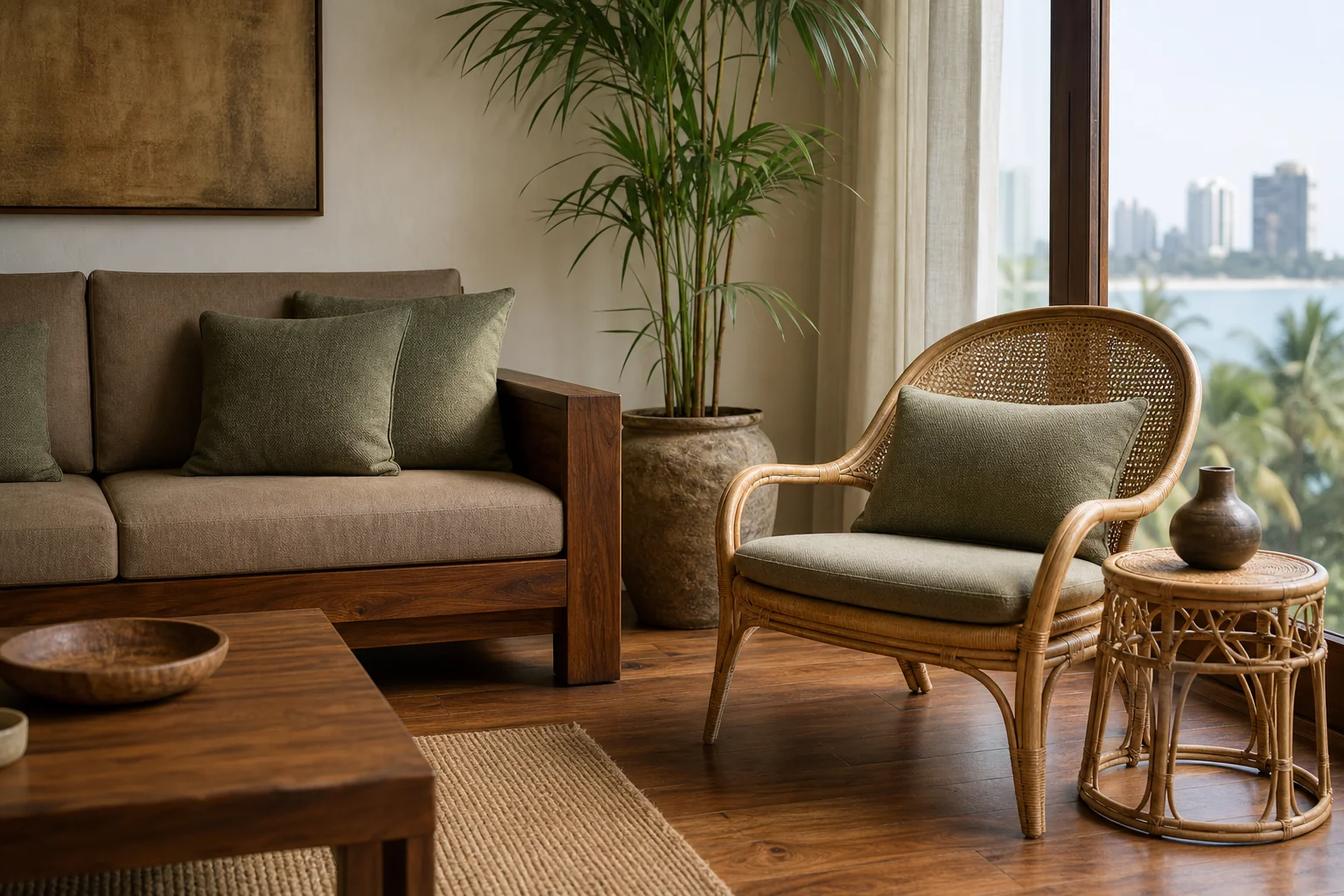
Solid teak wood suits Mumbai homes best for pieces that face daily wear and monsoon humidity, like sofas, beds, and dining tables, while rattan works well for accent chairs and indoor décor away from balcony spray. The right pick usually is not one or the other. It is knowing which material belongs in which room of a coastal apartment.
Key Takeaways
- Climate resistance: Solid teak’s natural oils repel Mumbai’s humidity and salt air far better than rattan, which absorbs moisture and can develop mold if left unsealed.
- Placement matters more than material: Rattan holds up well indoors, in bedrooms or living rooms, but struggles on open balconies during monsoon spray.
- Cost over time: Teak costs more upfront but often outlasts two or three rattan replacements in a humid coastal city, making it cheaper per year of use.
- Small apartments: Rattan’s light visual weight opens up compact Mumbai living rooms, while teak’s multifunctional storage pieces solve the space crunch.
- Mixing both works: Most Mumbai homes get the best result by pairing a teak anchor piece, like a sofa or bed, with rattan accents for texture and light.
Teak Wood vs Rattan at a Glance
| Factor | Solid Teak Wood | Rattan / Cane |
|---|---|---|
| Typical lifespan (Mumbai climate) | 25-40+ years with basic care | 5-10 years indoors, less if exposed to monsoon spray |
| Humidity resistance | High, natural oils resist moisture and rot | Moderate, needs dry, ventilated placement |
| Maintenance frequency | Oil or wax every 6-12 months | Dust weekly, re-varnish every 1-2 years |
| Best rooms | Living room, bedroom, dining, covered balcony | Living room accents, bedroom reading corner, sunroom |
| Weight and feel | Heavy, solid, anchors a room | Light, airy, easy to rearrange |
| Outdoor/monsoon suitability | Yes, if UV and moisture-treated | Not recommended for open balconies |
| Relative upfront cost | Higher | Lower |
| Sustainability profile | Slow-grown hardwood, sourced responsibly | Fast-renewing palm, low-impact harvesting |
Why This Choice Is Harder in Mumbai Than Other Cities
A furniture buyer in Pune or Bengaluru can often get away with picking whatever material looks good in a showroom photo. Mumbai does not offer that luxury. The city sits right on the coast, which means year-round humidity above 70%, salt-laden sea breeze in western and southern suburbs, and four months of relentless monsoon rain that finds its way into balconies, grilled windows, and poorly sealed joints.
This changes the calculation for teak wood vs rattan furniture in Mumbai homes. A rattan chair that ages gracefully in a drier city can go soft and mildewed within two monsoons here if it sits anywhere near an open window. Teak that would be a modest upgrade in a place like Pune becomes close to essential for pieces that face daily humidity in a Mumbai flat. Buyers furnishing homes across the wider service region, from Bhopal to Indore to Bengaluru, deal with less aggressive humidity swings, so the stakes around material choice are simply lower there.
Apartment size adds another layer. Mumbai’s per-square-foot costs push most homes toward compact floor plans, so every piece of furniture has to earn its place. That is where the two materials genuinely differ in what they offer a room, not just how long they last.
1. Durability in Mumbai’s Coastal Climate
Solid teak contains natural oils and silica that make it naturally resistant to water, fungal growth, and insect damage. This is why teak has been the standard choice for shipbuilding and outdoor furniture for centuries. In a Mumbai flat, that translates to doors, drawers, and joints that keep working smoothly even after a wet monsoon season, without the swelling and sticking that plagues cheaper engineered wood.
Rattan is a different story. It is a natural fiber woven from the stems of climbing palms, and it breathes well in dry heat but absorbs ambient moisture readily. Left in a humid room without airflow, untreated rattan can soften, sag at the weave, or develop mold spots along the frame. None of this means rattan is a poor material. It simply means placement decisions carry more weight in a city like Mumbai than they would in a drier climate.
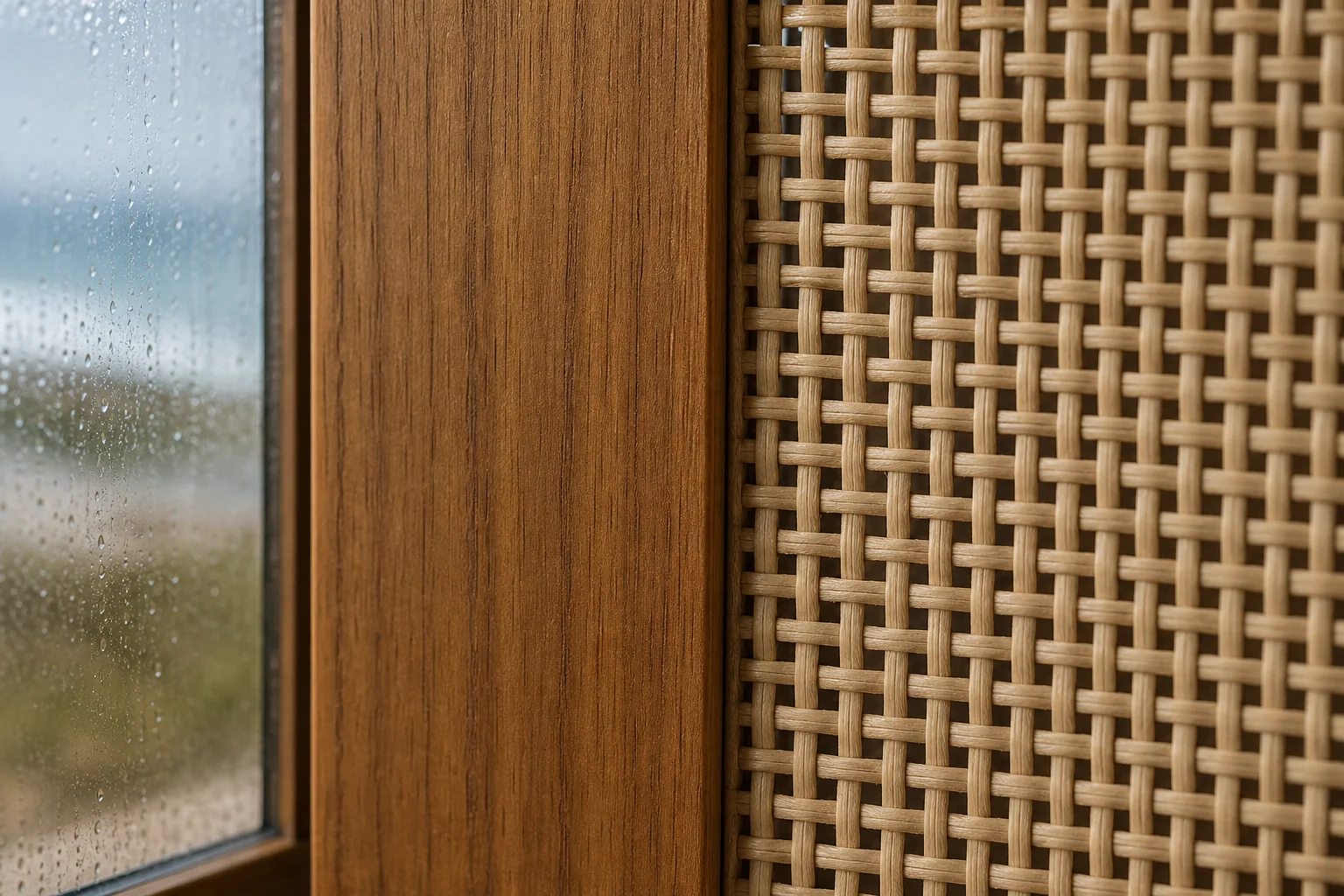
Watch for these early warning signs before damage sets in:
- Teak: a dull, greyish surface usually means the wood needs oiling, not that it is failing structurally.
- Rattan: a musty smell or slight give in the weave is an early signal that moisture has settled in and needs to dry out fast.
- Both materials: avoid placing either directly against an exterior wall that stays damp during monsoon months.
For semi-outdoor spaces like balconies, sit-outs, or covered terraces, only outdoor-grade teak that has been specifically treated for UV and moisture exposure holds up through a full Mumbai monsoon. TeakLab’s solid teak wood furniture range includes options built for exactly this kind of climate stress, and a closer look at monsoon-ready pieces is covered in the guide on how teak compares to engineered wood in humid cities.
2. Maintenance Needs Compared
Teak asks very little of its owner. A wipe-down with a damp cloth handles daily dust, and an occasional coat of teak oil or wax, roughly once or twice a year in Mumbai’s climate, keeps the wood’s natural resistance intact. There is no need for varnish touch-ups or special humidity control.
Rattan needs a bit more attention in a coastal home. Weekly dusting prevents grit from working into the weave, and keeping pieces out of direct, harsh sunlight stops the cane from drying out and becoming brittle. Every one to two years, a light coat of varnish or sealant helps rattan resist the humidity it would otherwise absorb. None of this is difficult, but it is more hands-on than teak ownership. For a full breakdown of oiling schedules, cleaning products to avoid, and seasonal care steps, the guide on how to maintain teak wood furniture at home walks through the specifics room by room.
3. Pricing: What You Actually Pay Over Time
Rattan furniture almost always costs less to buy than an equivalent solid teak piece. A rattan accent chair or side table can be a fraction of the price of a teak counterpart of similar size. That upfront gap is real and matters for anyone furnishing a first home on a tight budget.
The number that changes the picture is lifespan. A well-maintained solid teak piece in a Mumbai home routinely lasts 25 to 40 years, sometimes longer, and often gets passed down rather than replaced. Rattan, even with good care, tends to need replacement or significant reworking within 5 to 10 years in a humid coastal climate, sooner if it sees any monsoon exposure. Divide the purchase price by expected years of use, and teak frequently comes out cheaper per year of ownership, even though the receipt at checkout reads higher.
This is worth sitting with before buying a dining table, since a dining set gets the heaviest daily use of almost any furniture category. The detailed teak wood dining table price guide breaks down what drives cost differences between solid teak and cheaper alternatives, which helps put rattan’s lower sticker price into proper context. The same logic applies to wardrobes and storage furniture, covered in the piece on what affects solid wood wardrobe prices.
A ₹45,000 teak sofa used for 30 years works out to roughly ₹1,500 a year. A ₹18,000 rattan sofa replaced every 7 years in Mumbai’s humidity works out to a similar or higher annual cost, without accounting for the hassle of reordering and disposal.
4. Which Rooms Suit Teak, and Which Suit Rattan
Neither material needs to win the whole apartment. The better question is which rooms benefit from teak’s strength and which benefit from rattan’s lightness.
- Living rooms: A solid teak sofa or coffee table works well as the room’s anchor piece, since it takes daily use from family and guests. Rattan armchairs or a woven console pair beautifully alongside it for texture, without competing on durability demands.
- Bedrooms: Beds and wardrobes see nightly weight and constant use, so solid teak is the safer long-term investment here. A rattan accent chair in a reading corner adds warmth without needing to withstand heavy daily load.
- Balconies and semi-outdoor spaces: This is where the decision gets strict. Only UV- and moisture-treated outdoor teak should go anywhere exposed to direct monsoon spray. Untreated rattan on an open balcony in Mumbai rarely survives one full monsoon in good shape. The detailed seasonal breakdown in outdoor teak furniture for Mumbai monsoons covers which finishes actually hold up.
- Kids’ rooms: Safety and durability both favor solid teak here, since it withstands rough play, spills, and years of reuse without splintering or wobbling. The guide on choosing safe wooden furniture for kids’ rooms covers what to check for rounded edges, stable joinery, and non-toxic finishes.
- Home offices: A solid teak desk holds up to years of laptop use, stacked files, and daily wear far better than lighter materials. The considerations covered in custom teak office desks apply just as much to a Mumbai home office as they do elsewhere.
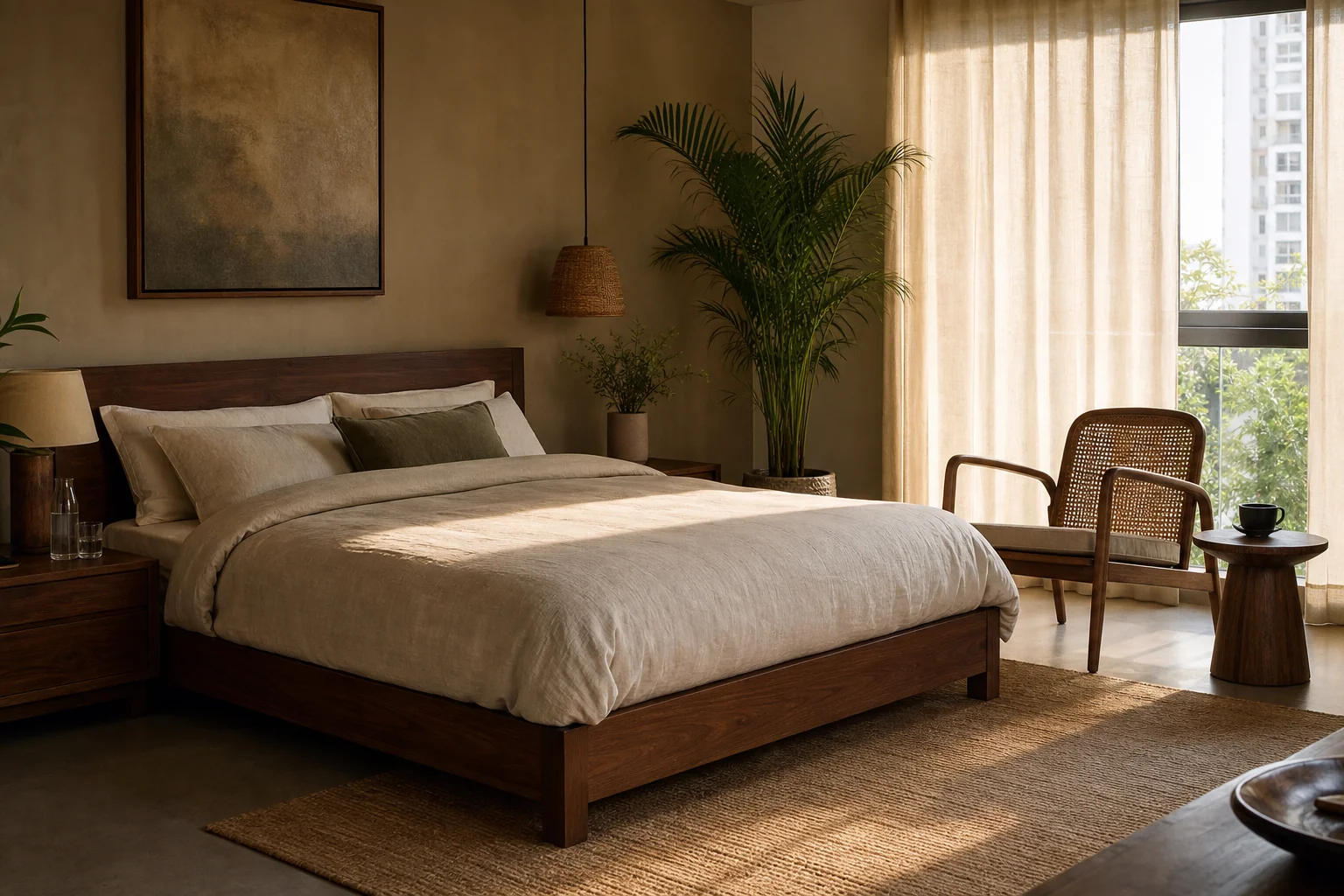
5. Space and Style: Small Mumbai Apartments
Mumbai’s real estate math means most homes work with less floor area than buyers in other major cities. This is exactly where rattan earns its keep. Its open weave and lighter frame make a room feel less crowded than the same footprint filled with heavy wood, which matters in a 1BHK or a compact living-dining combination.
Teak still has a role in small spaces, but the smarter move is choosing multifunctional pieces rather than bulky standalone furniture. A storage bed that replaces a separate wardrobe drawer, or a console that doubles as a shoe rack and display shelf, lets solid teak do more work per square foot. The guide on choosing a storage bed that fits your room is a useful next step for anyone furnishing a compact Mumbai bedroom.
Many homeowners land on a mix: a teak dining table anchoring the main living space, paired with rattan chairs or a rattan pendant light overhead to keep the room feeling open rather than boxed in. That combination shows up often in Mumbai apartments precisely because it solves both the humidity problem and the space problem at once.
6. Sustainability and Sourcing
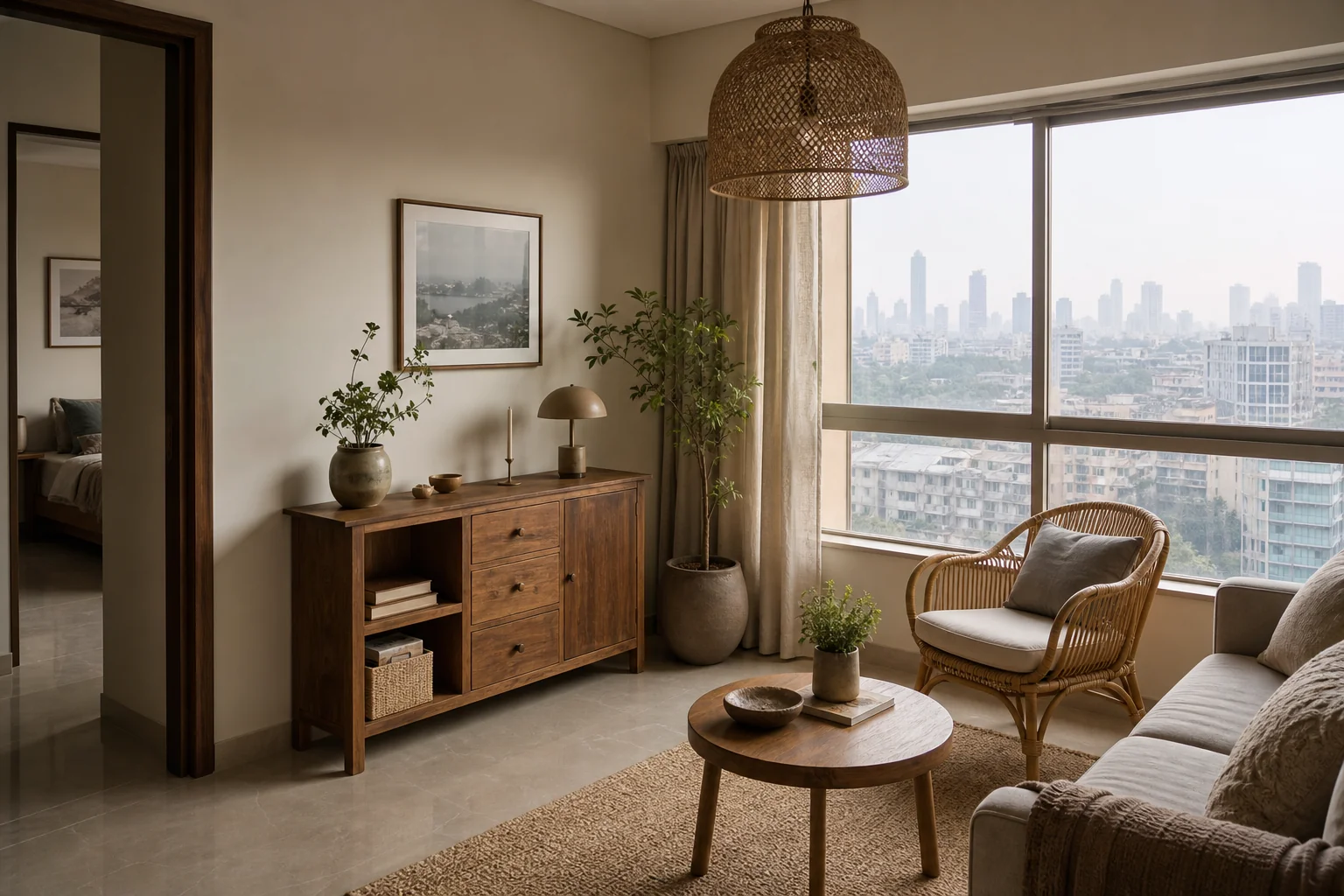
Both materials have a reasonable environmental story when sourced responsibly, though for different reasons. Teak is a slow-growing hardwood, and responsible producers rely on managed plantations rather than old-growth forest clearing, which is the sourcing standard TeakLab follows across its solid wood ranges. A piece of furniture that lasts three decades also has a lower environmental cost per year of use than something replaced every few years.
Rattan comes from fast-growing palm species that regenerate far quicker than hardwood trees, and it requires relatively low-impact harvesting since the vine climbs existing trees rather than needing cleared land. For buyers weighing eco-credentials alongside durability, both materials can be a sound choice, provided they come from suppliers who disclose sourcing practices rather than vague sustainability claims.
Government forestry data from India’s Ministry of Environment, Forest and Climate Change tracks sustainable harvesting norms for both timber and non-timber forest produce like rattan, and the ministry’s official resources are a useful reference for buyers who want to understand sourcing standards beyond a brand’s own marketing claims. Independent material research from the UN Food and Agriculture Organization’s forestry division also covers teak plantation growth cycles and rattan regeneration rates in more technical depth for anyone comparing the two at a material-science level.
Frequently Asked Questions
Can rattan furniture survive Mumbai monsoons on a balcony?
Generally, no. Untreated rattan absorbs moisture quickly and tends to sag, mold, or weaken at the joints within one monsoon season if it sits on an open balcony. Rattan works best indoors, in living rooms or bedrooms with good ventilation and no direct rain exposure.
Is teak worth the extra cost for a rental flat in Mumbai?
It depends on how long you plan to stay and whether you will move the furniture with you. Solid teak holds resale value well and can move between homes without damage, so many renters who expect to stay in Mumbai long-term still find it worthwhile. Shorter stays of a year or two may favor lighter, lower-cost pieces instead.
Can I mix teak and rattan in the same room?
Yes, and it is one of the most common combinations in Mumbai homes. A teak sofa, bed, or dining table as the anchor piece paired with rattan chairs, side tables, or lighting adds visual lightness without compromising the durability of the pieces that see the heaviest daily use.
How often should I oil teak furniture in coastal cities like Mumbai?
Most solid teak pieces need oiling once or twice a year in a humid coastal climate, more often for outdoor or balcony pieces exposed to sun and rain. A simple test is running a hand across the surface; if it feels dry or looks dull, it is due for a fresh coat.
Making the Right Call for Your Mumbai Home
The honest answer to teak wood vs rattan furniture for Mumbai homes is that both materials belong in most apartments, just in different rooms. Solid teak takes on the pieces that need to survive humidity, daily wear, and years of use, like sofas, beds, dining tables, and storage furniture. Rattan brings lightness and texture to accent pieces, reading corners, and living spaces that stay indoors and well-ventilated.
If you are furnishing a Mumbai flat and want pieces built to handle the city’s humidity without constant upkeep, TeakLab’s collections cover both ends of that decision. You can shop the collection to compare solid teak sofas, beds, and dining sets against the rattan accent chairs and side tables built for indoor Mumbai living. Browse a piece you like, use quick view to check dimensions and finish options against your room, or select options to match wood tone and upholstery to your space before you commit. Once you have found the right combination for your home, add it to your basket and get a furniture setup built for Mumbai’s climate, not just its showroom lighting.