Blog
How Long Does Teak Wood Furniture Actually Last?
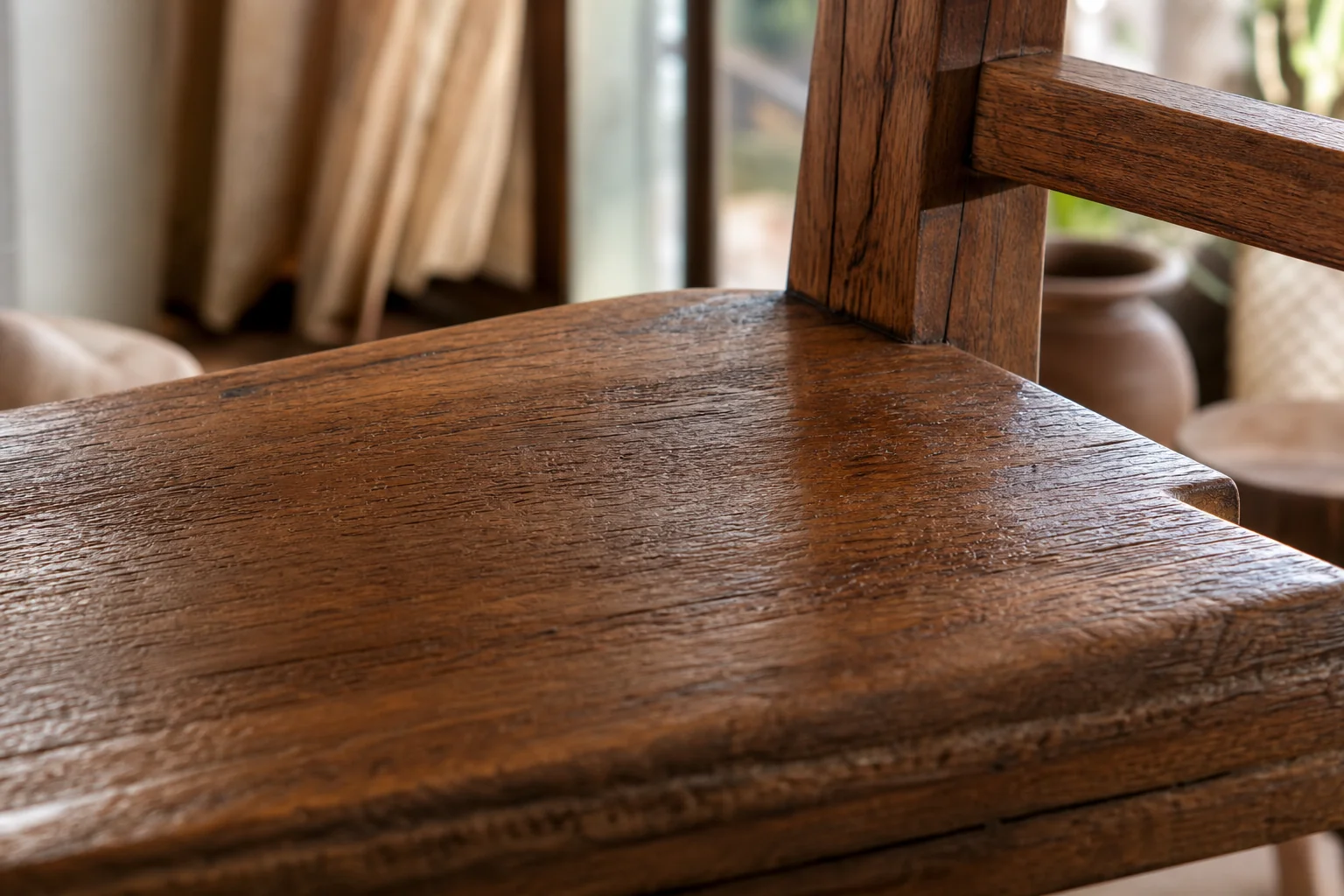
Solid teak wood furniture typically lasts 50 to 100 years, sometimes passing from one generation to the next, while sheesham furniture holds up for 15 to 25 years, engineered wood for 8 to 15 years, and plastic furniture for just 2 to 5 years. The gap comes down to the wood’s natural oils, grain density, and how the piece was joined together.
Key Takeaways
- Solid teak’s lifespan: 50-100+ years with basic oiling and cleaning, sometimes longer for heirloom pieces.
- Sheesham comes in second: 15-25 years, but it’s more prone to cracking without regular upkeep.
- Engineered wood and plastic fall short: 8-15 years and 2-5 years respectively, especially in humid climates.
- Termite and moisture resistance is built in: teak’s natural silica and oils repel pests without chemical treatment.
- Joinery matters as much as wood grade: mortise-and-tenon joints outlast screwed or stapled engineered pieces by decades.
At a Glance: Furniture Lifespan Comparison
| Material | Average Lifespan | Termite Resistance | Maintenance Needed | Best For |
|---|---|---|---|---|
| Solid Teak Wood | 50-100+ years | High (natural) | Low – oiling once a year | Heirloom furniture, outdoor use |
| Sheesham Wood | 15-25 years | Moderate | Moderate – polishing every 2-3 years | Budget solid wood furniture |
| Engineered Wood (MDF/Plywood) | 8-15 years | Low | High – avoid moisture entirely | Short-term, budget furniture |
| Plastic | 2-5 years | N/A | Low but fades/cracks | Temporary or outdoor seating |
| Rattan/Cane | 10-20 years | Low-Moderate | Moderate – indoor use preferred | Light, breathable seating |
Why Does Solid Teak Wood Furniture Last So Long?
Teak lasts longer than almost any other furniture wood because of natural oils and silica in its grain that repel water, fungus, and termites without any chemical treatment. This is the same reason teak has been used in shipbuilding for centuries. A well-made teak piece can genuinely serve three generations of a family.
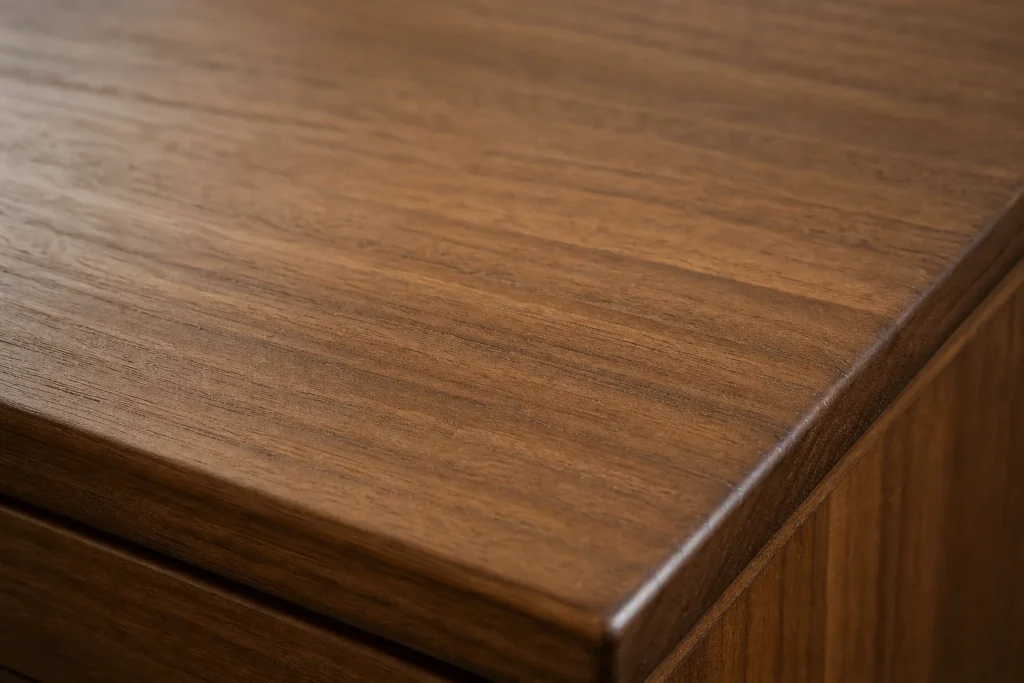
Unlike softer woods, teak’s tight grain structure resists warping when humidity swings, which matters a lot in Indian homes. The wood also develops a silvery-grey patina outdoors or deepens to a rich honey-brown indoors, both signs of aging gracefully rather than breaking down.
None of this happens by accident. Three variables decide whether a teak piece hits the 100-year mark or falls apart in fifteen: the grade of wood used, how it was joined, and the climate it lives in.
1. Wood Grade: Not All Teak Ages the Same
Furniture labeled “teak” can vary wildly in quality. Grade A teak comes from the heartwood of mature trees, usually 20+ years old, and carries the highest oil content. Grade B uses a mix of heartwood and sapwood, while Grade C is mostly sapwood, which lacks the natural oils and rots faster.
Sapwood-heavy furniture might look identical to Grade A teak in a product photo, which is exactly why buyers get fooled online. Before you order, it helps to know how to check real teak wood before buying furniture, since the wrong grade can cut decades off a piece’s working life.
2. Craftsmanship and Joinery Determine Structural Life
Wood grade sets the ceiling, but joinery decides how close a piece gets to it. Traditional mortise-and-tenon joints, where one wood piece slots into a carved cavity in another, flex slightly with temperature and humidity instead of snapping.
Furniture held together with screws, staples, or glue alone loosens far sooner. A dovetail joint or wedged tenon on a solid teak wardrobe can outlast the same design built with metal brackets by 20 or 30 years, even using identical wood.
This is why custom-built pieces, like a hand-joined custom teak office desk in Noida, tend to outlive factory-assembled alternatives even when priced similarly. The joinery is doing quiet, structural work you won’t see in a listing photo.
3. Climate: Why Bhopal and Similar Cities Matter
Bhopal’s climate swings hard between a dry, dusty summer and a humid monsoon stretch from July through September, and that seasonal shift is brutal on furniture that isn’t solid wood. Engineered wood panels absorb moisture during monsoon, swell, then dry out and crack when the heat returns.
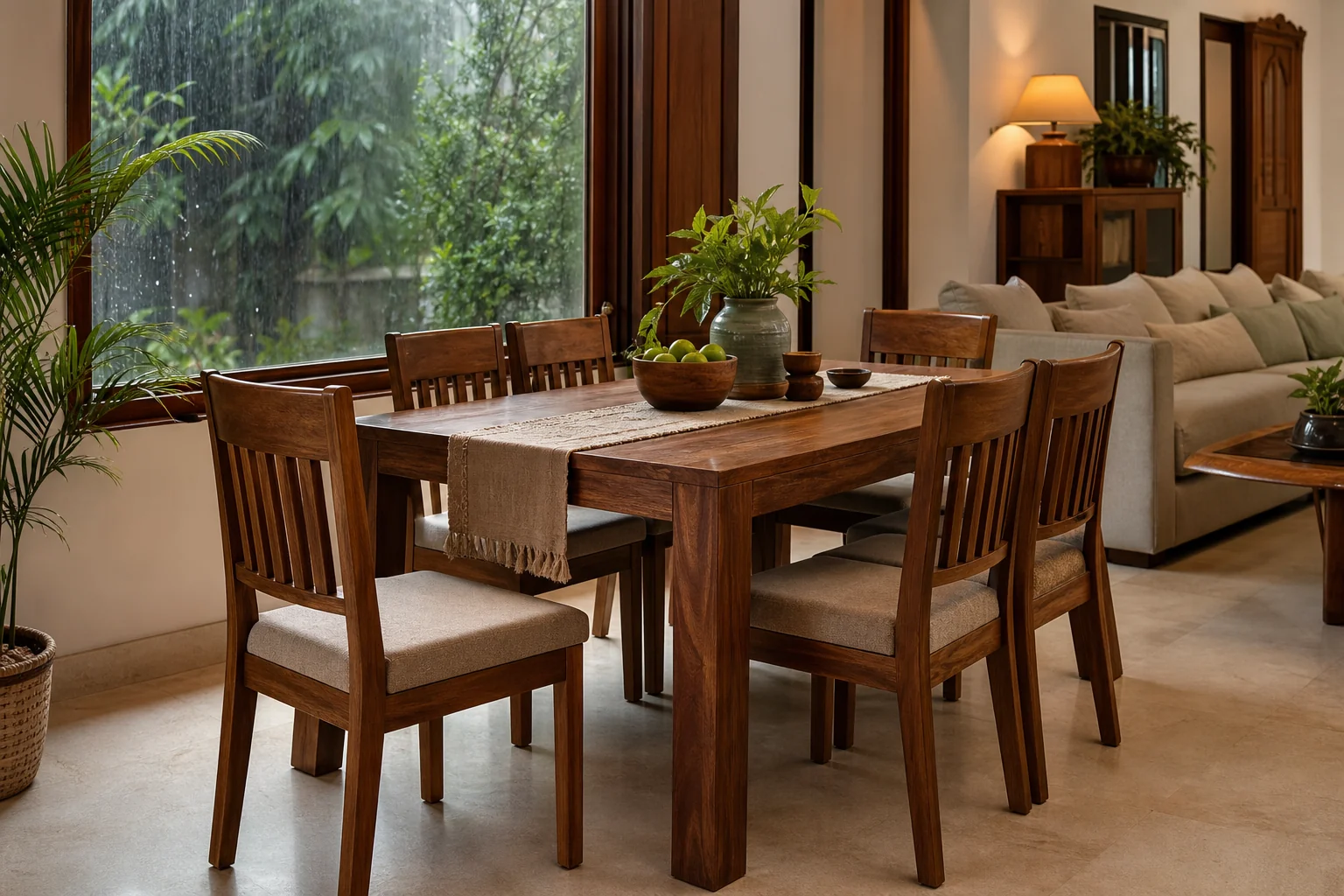
Solid teak handles this swing without much drama because its cell structure doesn’t absorb moisture the same way MDF or particleboard does. Homeowners furnishing a teak bedroom furniture set in Bhopal get the benefit of a material that was, quite literally, built for shipping decks exposed to sea spray.
The same logic applies across other Indian cities in TeakLab’s service area, including Indore, Bengaluru, Mumbai, and Pune, where humidity, coastal salt air, or seasonal heat all put similar stress on furniture joints and finishes.
Teak Wood vs Sheesham vs Engineered Wood vs Plastic: Full Lifespan Comparison
Buyers often compare teak against sheesham since both are popular solid wood options in India, but the two age very differently. Sheesham is denser and cheaper upfront, yet it lacks teak’s natural oil content, so it needs more frequent polishing to avoid surface cracking.
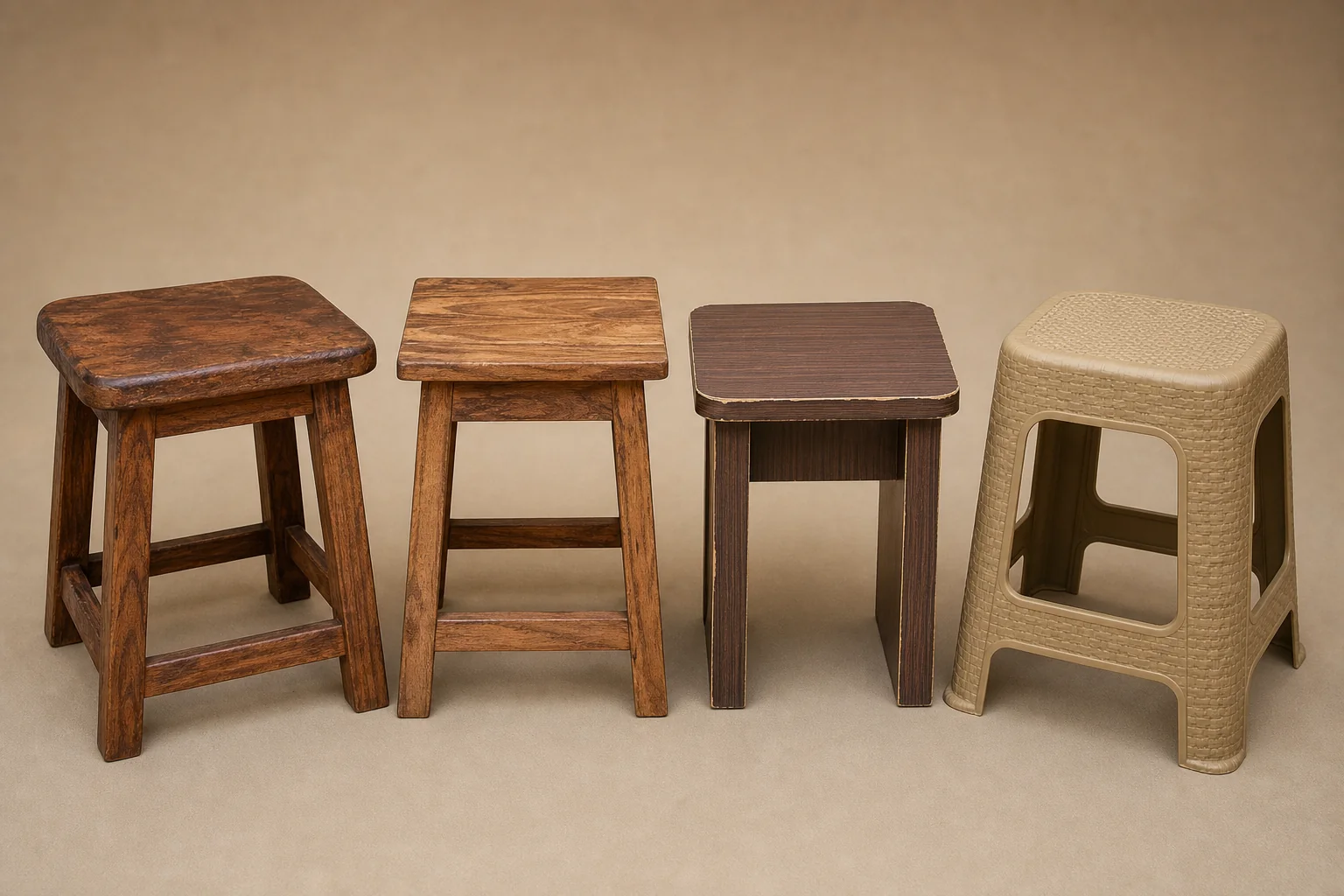
Engineered wood, made from compressed wood fibers and resin, offers a lower entry price and consistent factory finish, but it cannot be repaired the way solid wood can. Once the surface laminate chips or the board swells, the piece is usually replaced rather than restored.
Plastic furniture sits at the bottom of the durability list. UV exposure makes it brittle within a couple of years, and once it cracks, it’s not repairable at all. For a full breakdown of these two materials specifically, see teak wood vs engineered wood furniture: Hyderabad guide.
Cost per year of use tells the real story. A solid teak dining table priced higher upfront but lasting 60 years works out cheaper annually than an engineered wood table replaced three times in that same span. If you’re comparing options for a dining space, the teak wood dining table price guide breaks down what drives that upfront number.
How Maintenance Habits Add or Subtract Years
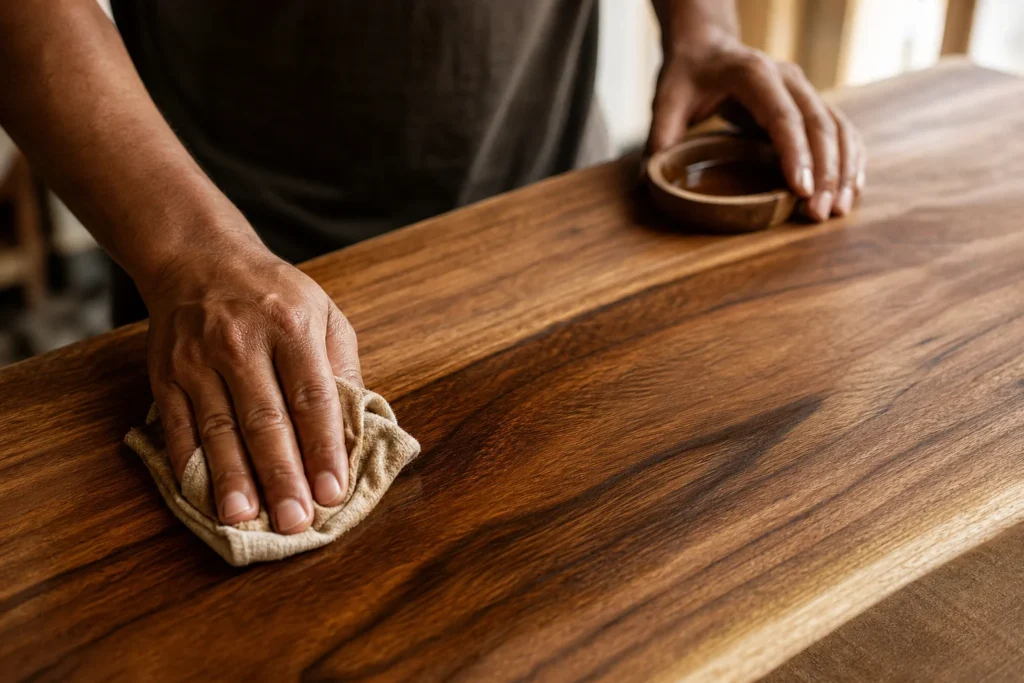
Even Grade A teak with perfect joinery won’t hit its full lifespan without basic care. Wiping down surfaces weekly, avoiding harsh chemical cleaners, and applying teak oil once or twice a year keeps the wood’s natural resistance intact.
Outdoor teak pieces need slightly more attention, especially in monsoon-heavy cities. Skipping seasonal oiling doesn’t destroy the wood overnight, but it does let moisture in faster and dulls the natural sheen over time.
For a full room-by-room and season-by-season routine, our guide on how to maintain teak wood furniture at home covers the exact cleaning products and oiling schedule that keep solid teak pieces looking new for decades.
How Can You Tell If Teak Furniture Will Last Generations?
Check three things before buying: the joint type, the wood grade, and the finish. Furniture with visible mortise-and-tenon joints, a consistent golden-brown heartwood color, and a natural oil or wax finish rather than thick varnish is built to last decades, not just years.
Weight is a simple physical test too. Genuine Grade A teak feels noticeably heavier than sapwood-heavy or engineered alternatives of the same size, because the dense heartwood carries more natural oil per cubic inch.
Sellers who show close-up joint photos and name the exact wood grade tend to be more trustworthy than listings using vague terms like “premium wood” without specifics. That transparency is worth checking for regardless of which retailer you buy from.
Frequently Asked Questions
Does teak furniture need polishing every year?
No, teak doesn’t need annual polishing to survive, but applying teak oil once or twice a year keeps its natural sheen and moisture resistance at their best. Skipping oiling won’t ruin the wood quickly, though the surface will dull faster and require more work to restore later.
Is teak better than sheesham for a dining table used daily?
Yes, for daily use teak generally outperforms sheesham because its natural oils resist water rings, heat marks, and scratches better over years of meals and cleaning. Sheesham can still work well for a dining table, but it needs more frequent polishing to avoid surface cracking under daily wear.
Can outdoor teak furniture survive Mumbai’s monsoon?
Yes, solid teak with a proper outdoor finish handles Mumbai’s monsoon well because its natural oils repel water and resist fungal growth even under sustained humidity. Pieces should still be covered or moved indoors during the heaviest weeks for the best long-term results; see our teak wood vs rattan furniture guide for Mumbai homes for material-specific advice.
How long do teak beds last in a kid’s room?
A solid teak bed in a child’s room can last 30 to 50 years or more, easily outliving the years a single child uses it and often getting handed down to siblings or grandchildren. Rounded edges and non-toxic finishes matter here too; our guide on choosing safe wooden furniture for kids’ rooms covers what to check.
A piece of furniture that survives fifty years isn’t a purchase, it’s an inheritance. That’s the real difference between solid teak and almost everything else on the market.
If you’re furnishing a home in Bhopal or anywhere across our delivery cities and want furniture that’s still standing when your grandchildren are choosing their own homes, it starts with picking the right material today. Shop the Collection to browse solid teak dining sets, beds, and wardrobes built with traditional joinery and Grade A wood, or select options on a piece you’ve had your eye on and see the grain and joinery details up close before you decide.