Blog
TeakLab vs Urban Ladder: Chennai Buyer’s Comparison

A young couple in Adyar recently spent an entire Sunday with two browser tabs open, one for TeakLab and one for Urban Ladder, trying to decide where to order a dining set before their new apartment’s handover date. Both sites showed beautiful photos. Both promised quality. Neither told them, in plain terms, what they’d actually be living with five years from now. That gap between marketing photos and long-term reality is exactly what this TeakLab vs Urban Ladder Chennai furniture comparison is meant to close.
Chennai’s climate makes this decision harder than it looks. Coastal humidity, long summers, and monsoon spells put real stress on furniture joints, finishes, and wood cores. A sofa or bed that looks identical in a product photo can behave very differently after two humid seasons. This guide walks through material quality, pricing logic, delivery timelines to Chennai, and design style options, so you can pick the brand that matches how you actually plan to use your furniture, not just how it photographs.
Two Very Different Furniture Philosophies
TeakLab and Urban Ladder are not really competing on the same terms, and understanding that difference upfront saves a lot of confusion later. TeakLab is built around one core focus: solid teak wood and natural rattan, sourced and handcrafted with a narrow specialization. There’s no engineered wood line to fall back on if teak doesn’t fit a customer’s budget. That specialization shapes everything from how pieces are built to how they’re priced.
Urban Ladder took a different route. It built a broad catalog spanning engineered wood, MDF, sheesham, mango wood, some solid wood ranges, metal, and upholstered pieces. The appeal is variety and price flexibility, a customer furnishing an entire home can find a sofa, a study table, and a shoe rack all under one roof, at different price points and materials. That breadth is genuinely useful for someone who wants everything to arrive from a single vendor.
Neither approach is wrong. But they solve different problems. If your priority is furniture built with long-term durability in mind for Chennai’s humidity, the comparison tilts one way. If your priority is quick variety across many rooms without material being the deciding factor, it tilts the other way. The rest of this guide breaks down exactly where and why.
Material Quality: Solid Teak and Rattan vs Mixed Materials
Material is where the two brands diverge most sharply. TeakLab works almost exclusively with solid teak wood and natural rattan or cane. Teak is prized for a reason: it contains natural oils that resist moisture, warping, and pest damage better than most timber species, which is part of why it has been used in shipbuilding and outdoor furniture for centuries. That resistance matters directly in a city like Chennai, where humidity regularly sits above 70% for months at a time, according to India Meteorological Department climate data for Chennai.
Urban Ladder’s catalog is more of a mixed bag. Its budget and mid-range lines lean heavily on engineered wood, particle board, and MDF with laminate or veneer finishes. These materials can look convincing in photos and cost less upfront, but they respond differently to humidity than solid timber, particle board in particular can swell or delaminate at exposed edges if moisture gets in over time. Urban Ladder does carry some solid wood collections in sheesham and mango wood, so it’s not accurate to say the brand has no solid wood at all, but teak-specific ranges are limited compared to TeakLab’s entirely teak-and-rattan focus.
For readers comparing this to other cities, the same logic applies whether you’re evaluating teak wood vs engineered wood furniture in Hyderabad or checking solid teak wood furniture options in Bengaluru. Material science doesn’t change by pin code, only the intensity of humidity and heat does, and Chennai sits near the higher end of that range for Indian metros.
Solid teak’s natural oil content and tight grain structure make it inherently more resistant to moisture and insect damage than most engineered wood products, which is why it has long been favored for humid-climate and outdoor use.
TeakLab vs Urban Ladder: Chennai Buyer’s Comparison Table
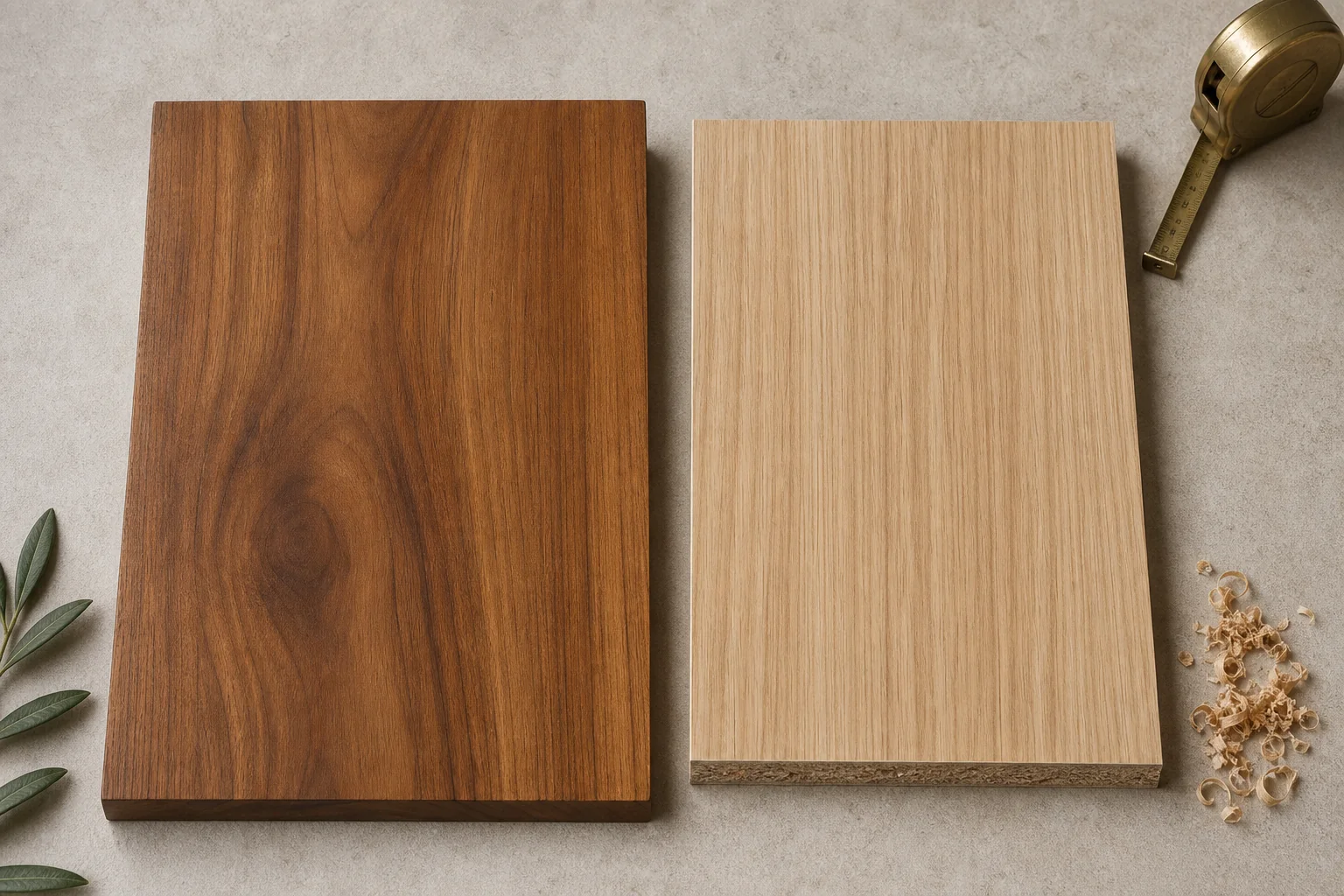
Here’s a direct, side-by-side look at how the two brands typically compare across the factors Chennai buyers care about most. Use this as a quick reference before you dig into product listings.
| Factor | TeakLab | Urban Ladder |
|---|---|---|
| Primary materials | Solid teak wood, natural rattan and cane | Engineered wood, MDF, sheesham, mango wood, some solid wood, metal, upholstery |
| Design collections | Colonial, Mid-Century, Nordic, American Dawn (curated, focused) | Broad trend-led catalog with frequent new launches across styles |
| Customization | Available on select solid wood pieces (size, finish) | Limited customization, mostly fixed configurations |
| Positioning | Long-term investment furniture, handcrafted focus | Style variety across budget to premium tiers |
| Best suited for | Buyers prioritizing durability, heirloom quality, humid-climate resilience | Buyers furnishing multiple rooms quickly with mixed materials and styles |
| Delivery to Chennai | Ships pan-India including Chennai and Tamil Nadu; handcrafted lead times apply | Ships pan-India including Chennai; stock items generally move faster |
| Outdoor/humidity suitability | Strong, due to teak’s natural moisture resistance | Varies by material; solid wood lines fare better than engineered wood lines |
| Pricing pattern | Higher upfront, positioned as fewer replacements over time | Wide range, entry-level engineered wood pieces typically cost less upfront |
Notice that price and material are linked in both catalogs, cheaper listings almost always mean lighter, engineered materials, while solid teak pricing reflects the timber cost and craftsmanship involved. Neither brand’s pricing is arbitrary once you factor in what’s actually inside the piece.
Pricing: Investment Piece vs Trend-Driven Range
It’s tempting to compare prices as if every dining table or bed frame is equivalent, but that’s rarely true once you look closely. TeakLab’s pricing sits on the higher end because solid teak is a premium raw material and each piece typically involves more hands-on joinery and finishing work. The brand’s pitch is straightforward: pay more upfront, replace less often. Whether that math works for you depends on how long you plan to keep the furniture and how you value your own time spent reordering damaged pieces later.
Urban Ladder’s pricing spread is wider because the catalog itself is wider. An engineered wood study table can sit at a genuinely budget-friendly price point, while a solid sheesham dining set or a premium upholstered sofa can climb close to what TeakLab charges for comparable teak pieces. In other words, comparing “TeakLab price” to “Urban Ladder price” as single numbers misses the point, you need to compare like-for-like materials within each catalog.
A more useful way to think about this is cost per year of expected use rather than sticker price alone. A solid teak dining table cared for properly is generally expected to last many years, while an engineered wood equivalent may need replacing sooner, especially in a humid coastal city. Neither brand publishes a specific expected lifespan, and results will vary with care and conditions, but the underlying material properties do support this general pattern. For current listings and exact pricing on specific pieces, it’s best to Shop the Collection directly and compare live prices rather than relying on averages.
Delivery Timelines to Chennai and Tamil Nadu
Chennai’s position as a major port city generally works in favor of furniture logistics, most large carriers and last-mile delivery networks already operate well here. That said, timelines still differ based on whether a piece is made to order or shipped from existing stock.
TeakLab’s solid teak pieces are often handcrafted rather than pulled from a mass-produced stockpile, so lead times can run longer than a standard stock item, particularly for larger case goods like wardrobes or dining sets. Urban Ladder’s stock-based inventory model, especially for engineered wood and smaller accent pieces, tends to move faster since less custom fabrication is involved.
Before ordering from either brand, it helps to ask a few direct questions:
- What is the current estimated delivery window to your specific Chennai pin code? Timelines can vary between central Chennai and outlying areas like Tambaram or Sriperumbudur.
- Is assembly included, or will you need a local carpenter for final setup? Larger wardrobes and bed frames often need in-home assembly.
- How are monsoon-season delays handled? Tamil Nadu’s northeast monsoon (typically October to December) can affect road transport and last-mile delivery windows.
- Is there a white-glove delivery option for heavier solid wood pieces? This matters more for teak furniture, which is often heavier than engineered wood equivalents.
This delivery consideration isn’t unique to Chennai. Buyers researching teak dining set delivery timelines in Pune or comparing options for a teak wood dining table price in other cities face similar variables: made-to-order craftsmanship generally takes longer than stock delivery, regardless of which brand you choose.
Design Styles: Colonial and Mid-Century vs Trend-Led Ranges

Chennai’s residential architecture ranges widely, from century-old Mylapore bungalows with high ceilings and louvred windows to compact modern apartments in OMR and Anna Nagar. That range of housing stock is part of why design style matters as much as material in this comparison.
TeakLab organizes its catalog around a small number of curated collections: Colonial, Mid-Century, Nordic, and American Dawn. The Colonial line, with its carved detailing and classic proportions, tends to suit heritage homes and traditional interiors particularly well, while Mid-Century pieces work better in newer apartments looking for cleaner lines. Because the collections are curated rather than sprawling, shopping feels more like picking a cohesive look than assembling mismatched pieces.
Urban Ladder, by contrast, runs a much larger and faster-moving catalog with new launches across many aesthetics: Scandinavian, industrial, contemporary, transitional, and more. This is genuinely useful if you want to furnish an entire home with visual variety, or if your taste doesn’t fit neatly into one era or style. The tradeoff is that with more choice comes more research time, and material consistency across a large multi-style catalog is harder to guarantee than in a smaller, focused one.
If you’re renovating a heritage-style Chennai home, or you simply want furniture pieces to feel like they belong to one coherent story rather than a collection of trend purchases, a curated approach tends to serve that goal better. If you’re furnishing a first apartment room by room and want to experiment with different looks in different spaces, a broader catalog gives you more room to do that without switching vendors.
Which Brand Fits Your Chennai Home Better?
Rather than declaring one brand universally better, it helps to match the decision to your actual situation. Here’s how that typically plays out:
- Young family setting up a first home: If budget flexibility matters and you want variety across rooms quickly, Urban Ladder’s mixed-material catalog offers more starting points at different price tiers.
- Buyer prioritizing durability for the next decade or more: Solid teak’s resistance to Chennai’s humidity makes it a stronger long-term option, which is where TeakLab’s specialization has a clear edge.
- Heritage home renovation with colonial or classic architecture: A curated Colonial or Mid-Century collection tends to match the home’s character better than a general trend-driven catalog.
- Home office or study setup: Solid wood desks generally hold up better under daily use and repeated moving than engineered wood alternatives, especially if the desk sees years of continuous use.
- Outdoor or balcony furniture for Chennai’s heat and humidity: Natural teak’s moisture resistance is a meaningful advantage here over engineered wood or untreated materials.
Before you order from either brand, run through a short checklist: confirm the exact wood or material used (not just “wood” as a generic label), ask about the finish and any moisture treatment, check the estimated delivery window to your pin code, and clarify the warranty or after-sales process in writing. If children will be using the furniture, it’s also worth reviewing guidance on choosing safe wooden furniture for kids’ rooms before finalizing bedroom or nursery pieces, and if you want to verify what you’re actually buying, this breakdown on how to check real teak wood before buying furniture is worth reading regardless of which brand you choose.
Once you’ve decided that solid teak fits your priorities, browsing TeakLab’s Colonial and Mid-Century collections is a natural next step, you can Shop the Collection, use Quick view on individual pieces to check dimensions and finish options, and Select options for size or wood tone before deciding.
Frequently Asked Questions
Is TeakLab more expensive than Urban Ladder?
Generally, yes, for like-for-like solid wood comparisons, because TeakLab works exclusively in solid teak and rattan rather than mixing in lower-cost engineered wood. Urban Ladder’s engineered wood pieces can be less expensive upfront, but its solid wood ranges often land in a similar price bracket to TeakLab. Always compare specific products and materials rather than brand averages, and check current pricing directly on each site.
Does Urban Ladder sell solid teak furniture specifically?
Urban Ladder’s catalog includes some solid wood collections, primarily in sheesham and mango wood, with teak-specific ranges being far less central to its offering than at TeakLab, where teak and rattan are the entire focus.
How long does teak furniture delivery take to Chennai?
Delivery timelines depend on whether the piece is handcrafted to order or already in stock, plus your specific Chennai location. Made-to-order solid teak furniture generally takes longer to reach you than stocked, ready-to-ship items. It’s best to confirm the current estimated window for your pin code directly with the seller before ordering, especially around the October to December monsoon period.
Which brand offers better warranty and after-sales support for Chennai customers?
Both brands offer structured after-sales processes, but terms and coverage can change, so always confirm the current warranty period, what it covers, and the claims process in writing before you complete a purchase, regardless of which brand you choose.
Can I get custom sizes from either brand?
TeakLab offers customization on select solid wood pieces, including size and finish adjustments, since much of its furniture is handcrafted. Urban Ladder’s customization options are more limited, as its catalog leans toward fixed, mass-produced configurations. If a non-standard size matters for your space, confirm customization availability on the specific product page before ordering.
Making the Right Call for Your Chennai Home
There’s no single winner in the TeakLab vs Urban Ladder comparison, only a better fit for your specific priorities. If Chennai’s humidity, long-term durability, and a curated Colonial or Mid-Century look matter more to you than upfront price and material variety, solid teak and rattan furniture is built with exactly that in mind. If you’re furnishing multiple rooms on a tighter timeline and want flexibility across materials and styles, a broader catalog gives you more starting points.
If durability and craftsmanship are what you’re after, take a closer look at TeakLab’s curated collections, Shop the Collection to browse Colonial, Mid-Century, and Nordic pieces built specifically for solid teak’s strengths, use Quick view to check dimensions before you commit, and once you’ve found the right piece, Add to basket to start furnishing a home meant for long-term use beyond the next trend cycle.