Blog
Teak Outdoor Furniture for Goa Homes: 2026 Guide
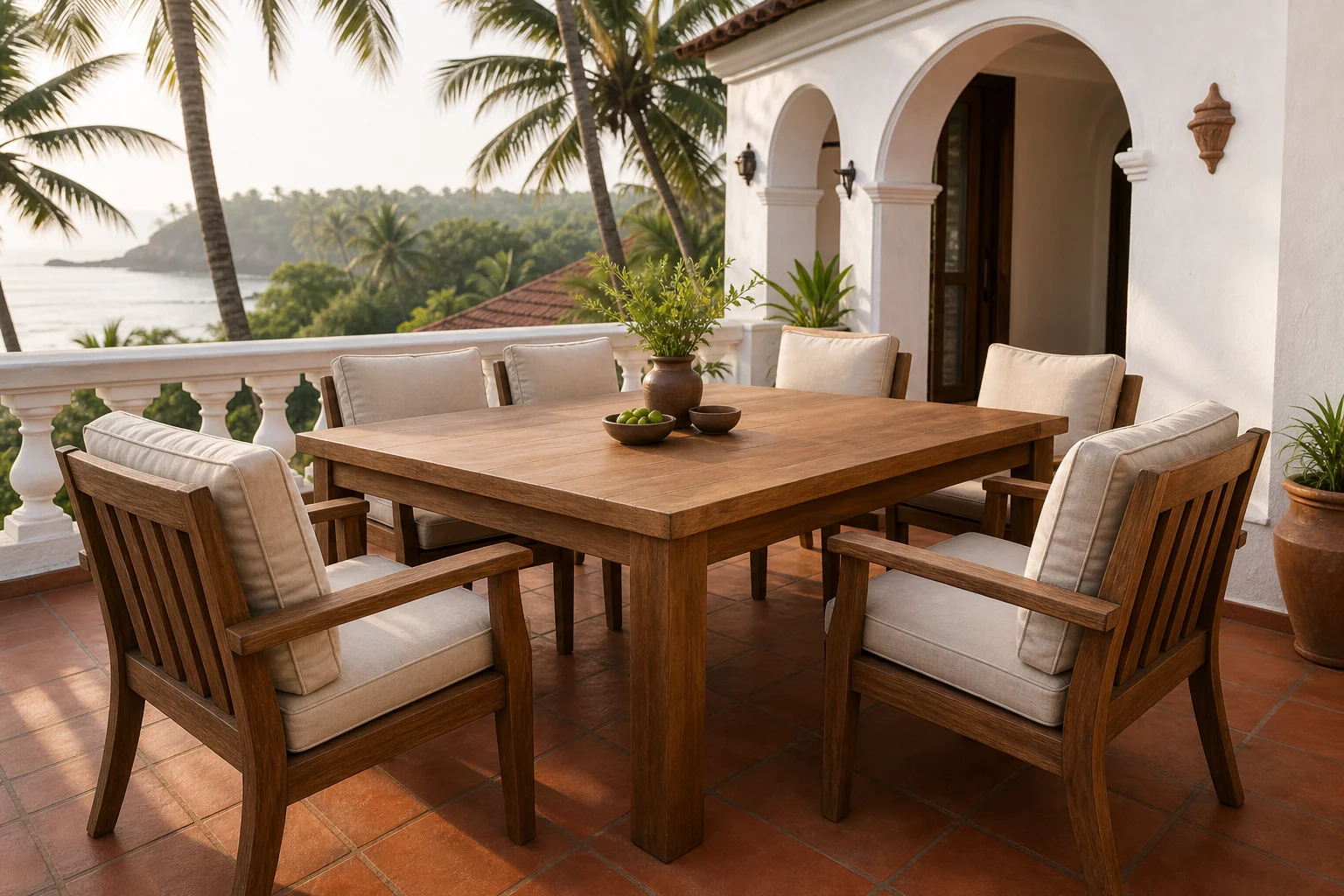
Salt air off the Arabian Sea can strip the finish off untreated wood in a single monsoon, which is why teak wood outdoor furniture for Goa homes needs a different buying checklist than furniture bound for drier cities. The right combination of teak grade, joinery, and UV-stable sealant is what separates a patio set that lasts fifteen years from one that warps by its second rainy season.
Key Takeaways
- Grade matters most: Grade A teak, cut from the heartwood, carries the natural oils that resist salt and moisture damage far better than Grade B or C cuttings.
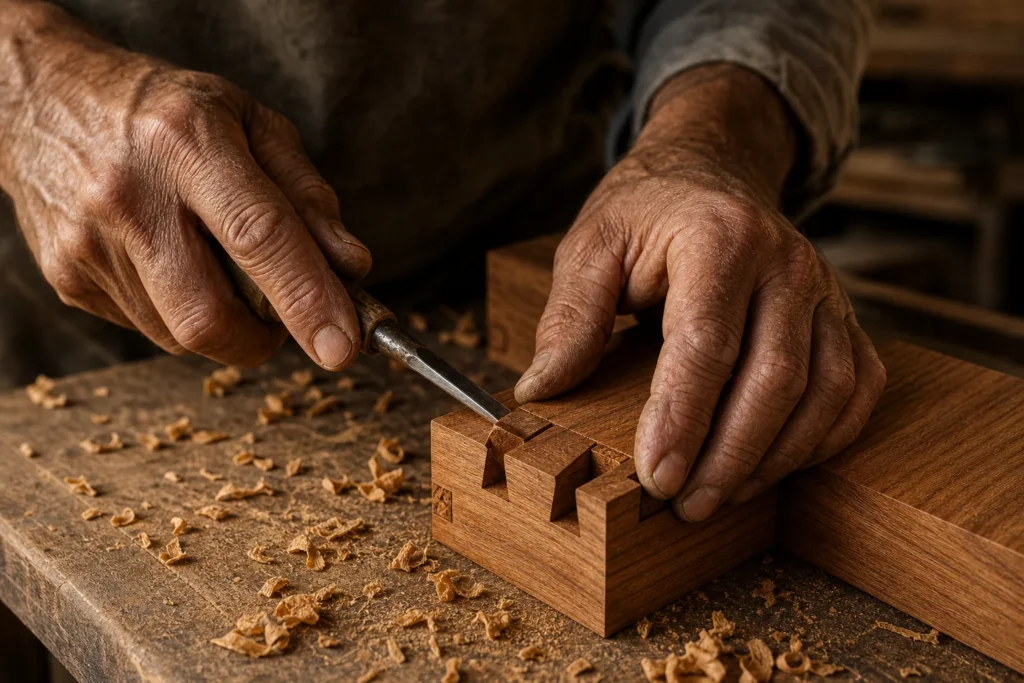
- Joinery beats glue: Mortise-and-tenon joints hold up against Goa’s humidity swings; stapled or glued frames loosen within a year or two on an open patio.
- Oil every 6-8 months: Coastal salt residue accelerates greying, so reapplying teak oil twice a year keeps color and grain protected.
- Hardware corrodes first: Stainless steel or brass fittings are non-negotiable; standard steel screws rust within months near the coast.
- Rattan needs shade: Rattan-teak hybrids work beautifully on covered balconies in Panjim or Porvorim but shouldn’t sit in direct sea-facing exposure.
At a Glance: Coastal Teak Buying Facts
| Factor | Recommended Standard | Why It Matters in Goa |
|---|---|---|
| Teak Grade | Grade A (heartwood) | Highest natural oil content resists salt and moisture |
| Moisture Content | Below 12% (kiln-dried) | Prevents warping in humid, monsoon-heavy air |
| Joinery | Mortise-and-tenon | Holds strength through humidity expansion and contraction |
| Finish | UV-stabilized outdoor sealant or teak oil | Blocks sun bleaching and salt penetration |
| Hardware | Stainless steel or brass | Resists rust from sea-air corrosion |
| Maintenance Cycle | Rinse monthly, oil every 6-8 months | Removes salt film before it degrades the surface |
| Best Placement | Covered patios and gardens; shaded balconies for rattan pieces | Limits direct salt spray exposure |
1. Why Goa’s Coastal Climate Demands Special Teak Furniture
Goa’s climate is a tougher test for outdoor furniture than almost anywhere else in India. Homes in Candolim, Assagao, and Anjuna sit close enough to the coast that salt-laden humidity settles on every exposed surface, day and night. Add nine months of intense sun and a monsoon season that can dump over 3,000mm of rain between June and September, and you have a combination that punishes cheap wood and plastic alike.
Ordinary furniture woods soak up that moisture, swell, and crack once the sun dries them out again. Teak behaves differently because its heartwood contains natural oils and a silica-rich grain structure that resists both water absorption and pest damage. That’s the same reason teak is used for boat decks. A patio set in solid teak versus plastic outdoor furniture makes an even bigger difference here than in a drier city like Nashik, because salt air accelerates plastic’s UV breakdown too.
For a villa with an open pool deck or a garden facing the water, the wood itself is only half the equation. The finish applied on top has to be rated for outdoor, salt-exposed conditions, not just a generic indoor lacquer relabelled for patios.
2. What to Look for When Sourcing Teak Outdoor Furniture in Goa
Buying outdoor furniture online means you can’t run your hand over the grain before it arrives. Here’s what to check in product descriptions and photos before you commit.
- Grade A heartwood: Ask directly whether the piece uses heartwood (the darker, oil-rich inner wood) rather than sapwood. Heartwood is what gives teak its coastal resilience.
- Kiln-dried to under 12% moisture: Wood that hasn’t been properly dried will keep shrinking and swelling after it reaches your home, loosening joints within a season.
- Joinery type: Look for mortise-and-tenon construction in the listing. It’s a stronger, longer-lasting method than dowel or glue-only joints, especially where humidity swings are extreme.
- Outdoor-rated finish: UV-stabilized sealants or food-safe teak oil formulated for exterior use protect against both sun bleaching and salt penetration. A standard indoor varnish will peel within a year outdoors.
- Marine-grade hardware: Stainless steel or brass fittings resist rust; mild steel screws will bleed rust stains into the wood within a few monsoons.
If you’re unsure how to tell real teak from a look-alike substitute, our guide on checking furniture quality before buying online walks through the grain, weight, and smell tests that work even from photos and a phone call with the seller.
3. Design Options for Patios, Balconies and Gardens
Goa homes range from beachfront villas with sprawling gardens to compact Panjim apartments with a single balcony. The right teak design depends on how much open-air exposure the space actually gets.
- Loungers and daybeds: Best for pool decks and shaded verandas where guests relax through the afternoon. Look for slatted seats that let rainwater drain instead of pooling.
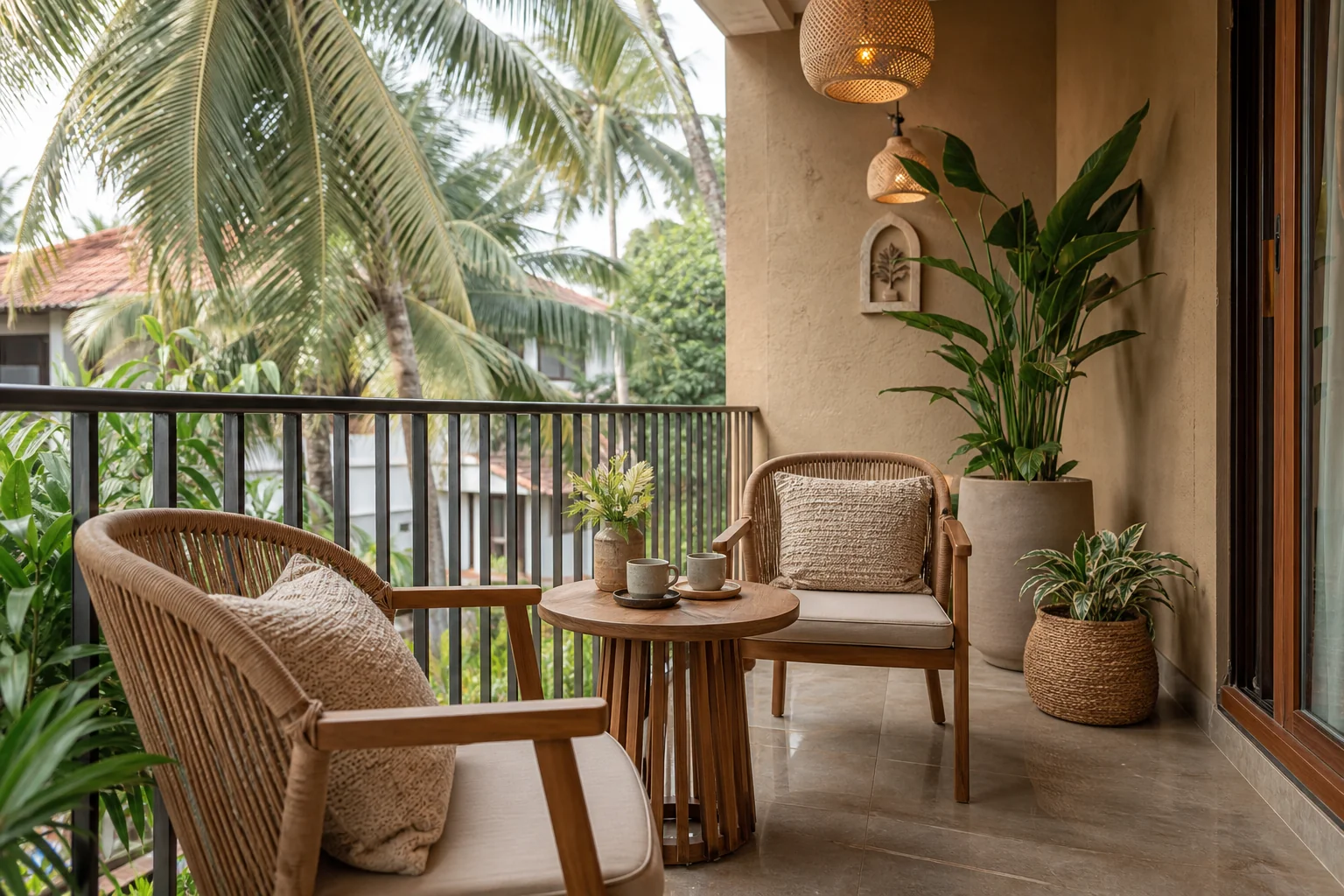
- Compact balcony sets: A two-seater teak bistro set fits Porvorim and Panjim apartment balconies without crowding the space, while still surviving the humidity.
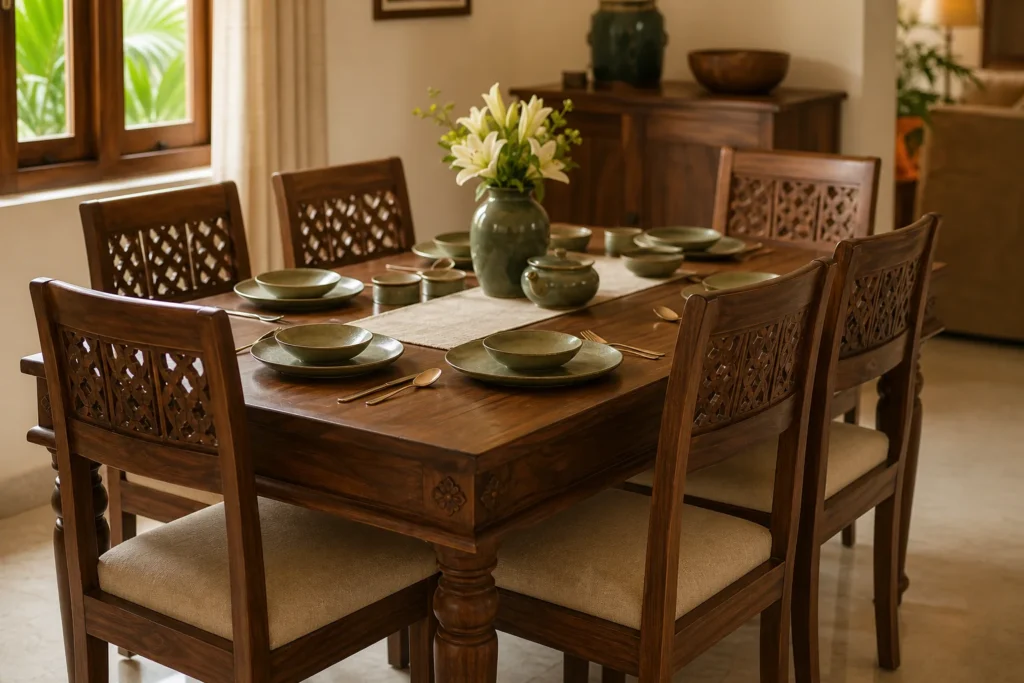
- Garden dining sets: For homes that entertain outdoors, a solid teak table paired with weather-treated chairs holds up to years of monsoon cycles far better than engineered wood alternatives.
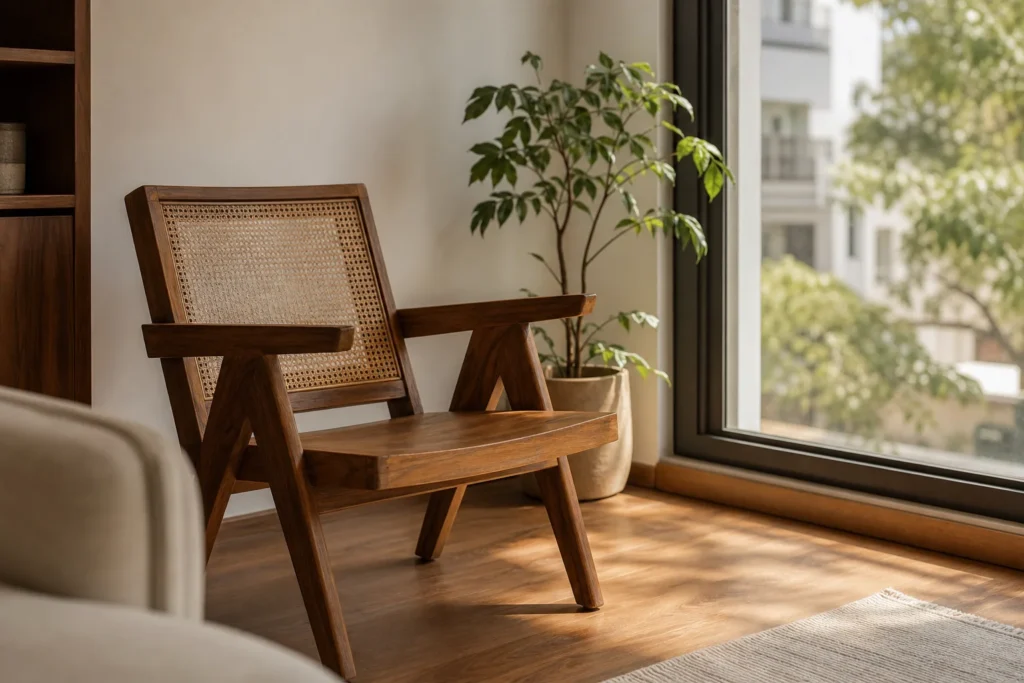
- Rattan-teak hybrids: A teak frame with woven rattan panelling adds texture and a breezier, tropical look, but keep these pieces under a covered veranda rather than in direct sea spray.
- Colonial-inspired pieces: Goa’s Portuguese architectural heritage pairs naturally with colonial-style teak furniture, carved detailing, curved armrests, and warm, dark finishes that complement whitewashed facades.
Browsing options side by side helps before you decide. You can Shop the Collection to compare loungers, dining sets, and balcony pieces built for exactly this kind of coastal use.
4. Coastal Maintenance: Keeping Teak Furniture Salt-and-Sun Proof
Even the best-sourced teak set needs upkeep once it’s on your patio. Coastal salt residue works faster than inland dust, so the maintenance routine here needs to be tighter than what you’d follow in a city like Bhopal or Pune.
- Rinse monthly with fresh water: A garden hose or bucket rinse removes salt film before it dries into the grain. Skip harsh detergents, which strip natural oils.
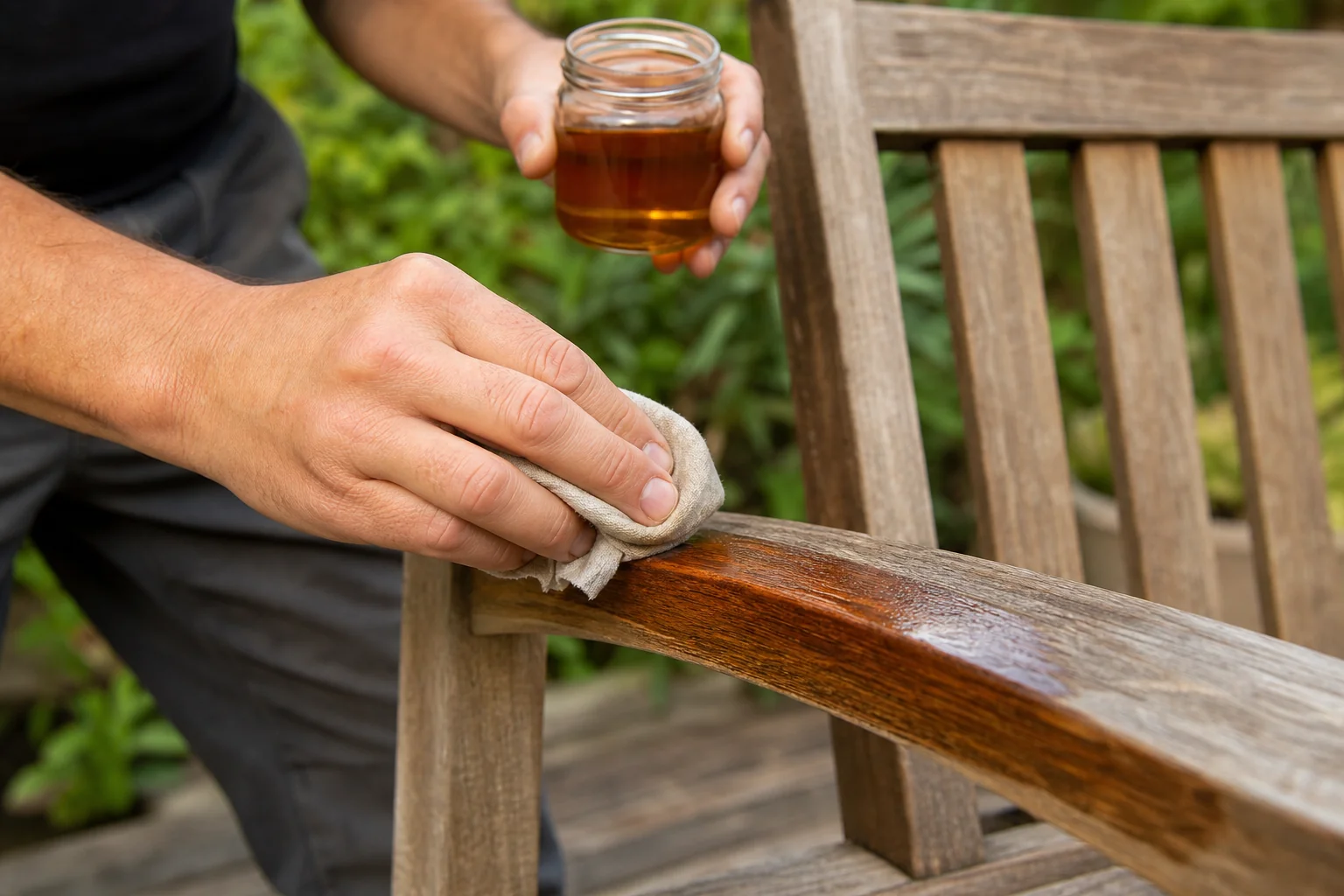
- Reapply teak oil every 6-8 months: This replenishes the wood’s natural protective oils and restores the golden-brown color that salt air fades toward grey.
- Sand lightly before re-oiling: If the surface has already greyed, a light sanding with fine-grit paper before oiling brings back a smoother, richer finish.
- Cover during heavy downpours: A breathable outdoor cover during peak monsoon weeks reduces standing water on cushions and metal fittings, even though the wood itself handles rain well.
- Check hardware twice a year: Inspect screws and hinges for early rust. Swapping a corroding fitting early is far cheaper than replacing a warped joint later.
These steps overlap closely with general upkeep, and if you want the fuller routine for indoor pieces too, our guide on choosing and caring for solid wood furniture covers grain care basics that apply across your home.
5. Goa vs Mumbai Monsoon: How Coastal Durability Compares
Goa and Mumbai both sit on India’s west coast and share a heavy monsoon season, but the day-to-day stress on outdoor furniture isn’t identical. Goa’s homes tend to have more open-air exposure and closer proximity to the sea, while Mumbai’s monsoon brings shorter, more intense rain bursts with slightly less constant salt exposure inland.
| Factor | Goa | Mumbai |
|---|---|---|
| Average Humidity | 75-90% year-round | 70-85%, spiking in monsoon |
| Salt Air Exposure | High, especially within 5km of coast | Moderate, concentrated near coastal suburbs |
| Monsoon Rainfall | ~3,000mm (June-Sept) | ~2,400mm (June-Sept) |
| Sun Intensity | Strong, near-constant UV | High but more cloud cover in monsoon |
| Recommended Oiling Frequency | Every 6-8 months | Every 8-10 months |
If you’re comparing options across both cities, our detailed breakdown of outdoor teak versus plastic durability and the dedicated piece on the Best Outdoor Teak Furniture for Mumbai Monsoons give you a side-by-side view of how climate-specific choices change the recommendation.
6. Common Mistakes Goa Homeowners Make with Outdoor Furniture
A few recurring mistakes show up again and again in coastal homes, and most are avoidable with the right information upfront.
- Choosing plastic for beachfront proximity: Plastic furniture looks like a low-maintenance shortcut, but UV exposure this close to the sea makes it brittle within two to three years.
- Skipping sealant reapplication: Buyers often oil their new furniture once and forget it. Without a repeat cycle, the wood starts greying within a single season.
- Ignoring hardware corrosion: A rusting screw looks minor at first but can stain and eventually weaken the surrounding wood if left unchecked.
- Buying unverified teak grade online: Some sellers market “teak-finish” furniture that’s actually a cheaper wood with a teak-colored stain. Always confirm the wood species and grade in writing before ordering.
Comparing verified sellers before you buy helps avoid this last mistake entirely. If you’re weighing specialist teak brands against larger marketplaces, our comparison on TeakLab versus WoodenStreet outlines what to expect from sourcing transparency and after-sales support.
FAQs
How long does teak outdoor furniture last in Goa’s coastal air?
With regular oiling and rinsing, Grade A teak furniture typically lasts 15 to 20 years in Goa’s climate, even with year-round outdoor exposure.
Can teak furniture stay outdoors year-round in Goa?
Yes, provided it’s Grade A teak with an outdoor-rated finish. Covering it during the heaviest monsoon weeks extends the life of cushions and metal fittings further.
Is rattan furniture suitable for Goa balconies?
Rattan works well on shaded, covered balconies but should be kept away from direct sea spray and open patios, where teak alone holds up better.
How often should I oil my teak patio set in Goa?
Every 6 to 8 months is the general rule for coastal homes, slightly more often than the 8-10 month cycle recommended for inland cities like Mumbai or Pune.
Coastal furniture care isn’t complicated, it’s consistent. A rinse each month and an oil coat twice a year is the entire routine standing between a patio set that lasts two decades and one that fades in two years.
If your Goa patio, balcony, or garden is ready for furniture built to handle salt air and monsoon humidity without compromise, you can Shop the Collection of UV- and moisture-protected teak outdoor pieces designed for exactly this climate. Browse a set, use Select options to match your patio’s dimensions, or take a Quick view of finishes before you decide. Once you’ve found the right piece, Add to basket and give your outdoor space furniture that’s actually built for the coast.